Trapping
Why trapping?
University IPM programs consistently find trapping to be an effective, targeted, and household‑safe method when done correctly.
Trap types
Pincer (two‑prong) traps
Highly effective when set in main tunnels; requires careful placement and handling.
Tunnel traps
Good for beginners; easier to set but may be less effective than pincer traps.
Other trap styles
- Choker loop traps — simple, inexpensive; best when placed in main runs or laterals.
- Box traps (e.g., “black box” style) — set in main runs.
- Cinch‑style tunnel traps — effective when sized correctly for your tunnel diameter.
Recommended models
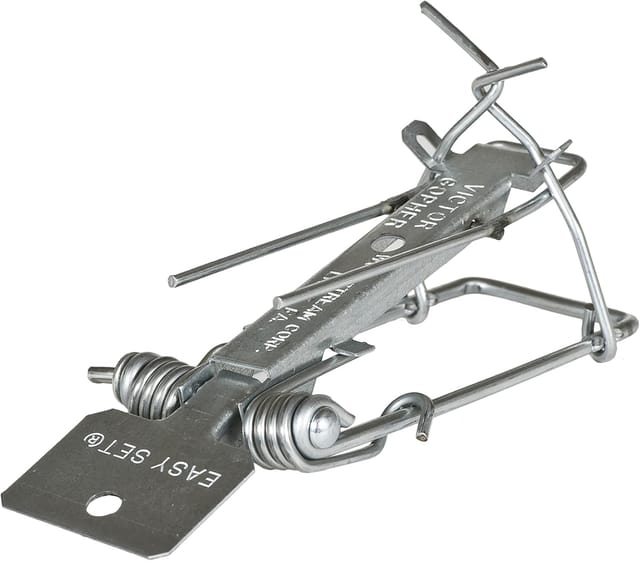
Victor Easy Set Gopher Trap
Widely available, affordable, effective, reliable and easy-to-use gopher trap for effective gopher control.
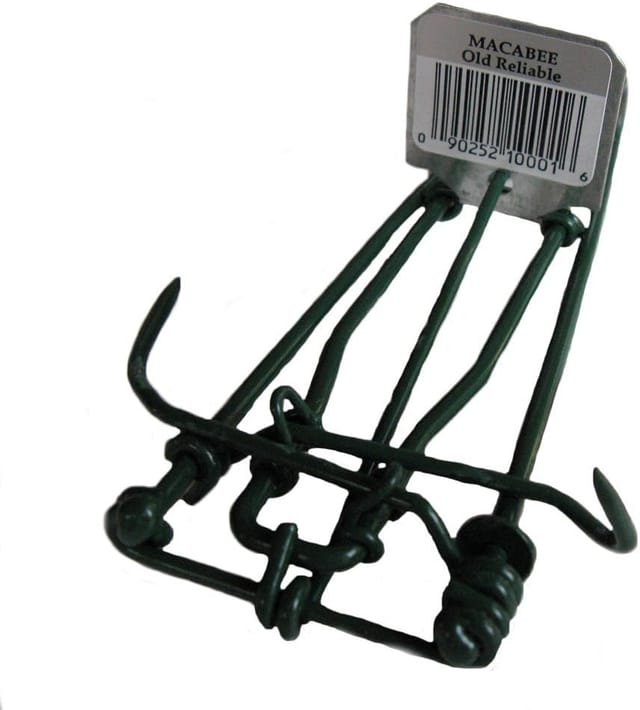
Macabee Gopher Trap
Durable, high-quality, heavy-duty gopher trap for effective gopher control. Easy to set and reset.
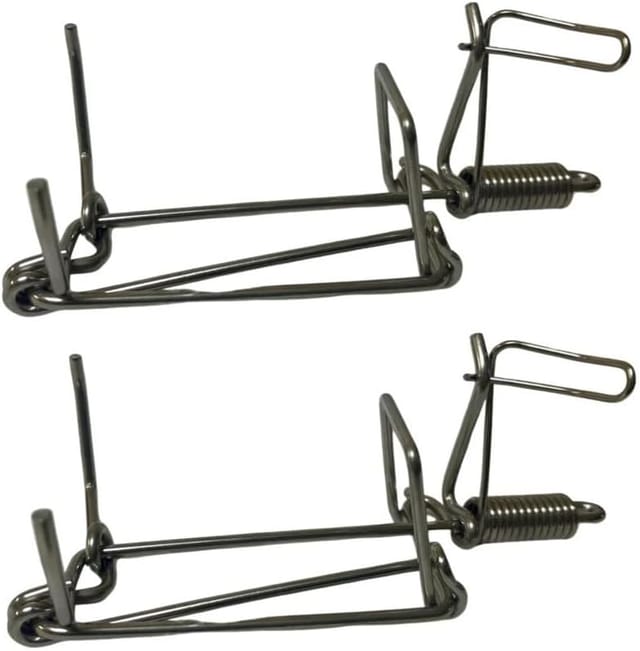
Gophinator Gopher Trap
Easy-to-use tunnel-style gopher trap for effective gopher control. Simple setup and durable design.
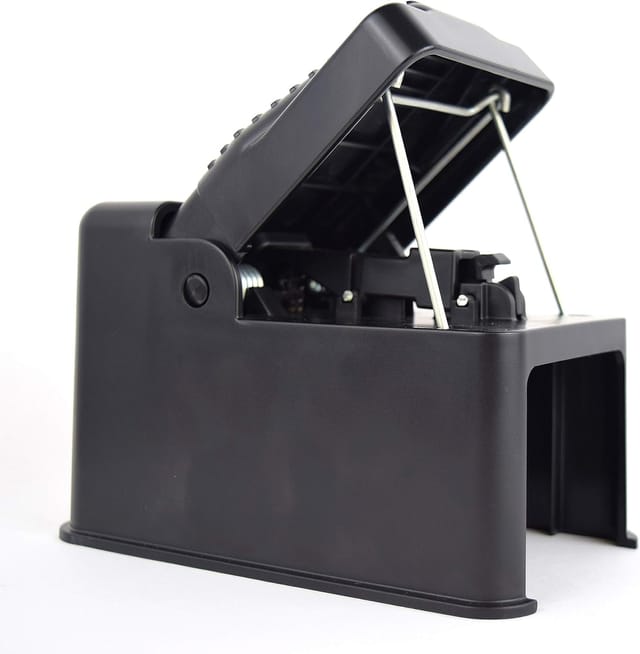
Gopher Black Box Trap
Reliable box-style gopher trap for effective gopher control. Easy to set and durable for outdoor use.
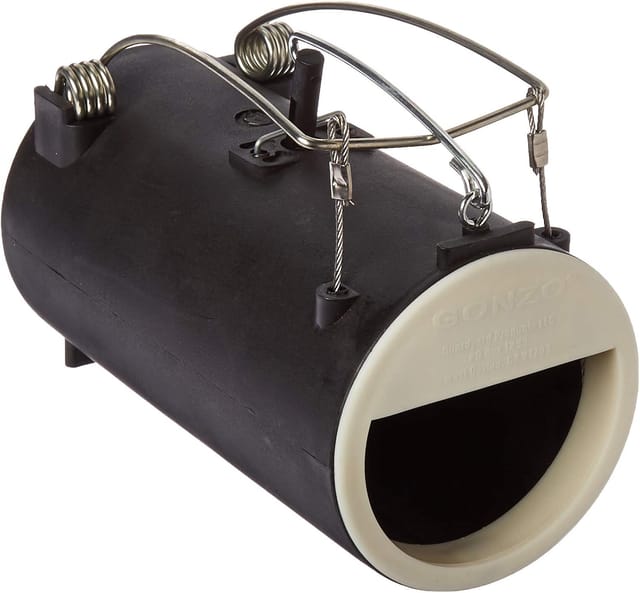
Gopher Box Trap
Effective gopher trap for efficient gopher control. Easy to set and durable for outdoor use.
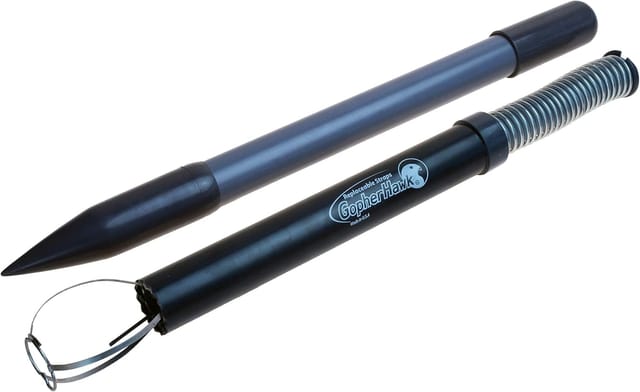
GopherHawk®
Innovative gopher trap with a unique design for effective gopher control. Easy to set and durable.
Locating the main tunnel
Use a probe 8–12 inches from the plug side of a fresh mound; the probe drops slightly when you find the tunnel (usually 6–12 inches deep).
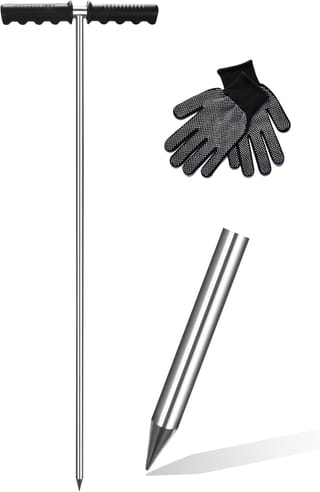
Gopher Probe (Find Tunnels)
Long, slender probe for locating gopher tunnels and burrows. Made of durable metal with a comfortable handle.
Open the tunnel
Carefully dig a small hole to expose the tunnel (avoid collapsing it). Remove loose soil/debris to create a clear path for the trap.
Set & check
Set traps in pairs facing opposite directions in the tunnel; cover the opening to block light and airflow. Check and reset often until no new mounds appear. If nothing is caught in ~48 hours, move to a new active site.
Safety & humane considerations
Keep traps away from children/pets; stake or tie off traps. Follow local rules for trap use and carcass disposal.
See also: How to Trap a Gopher — Step by Step