How to Trap a Gopher — Step by Step
Time: 20–40 minutes to set 2–4 traps; repeat checks daily until no new mounds appear.
Trapping gophers is the most effective way to quickly stop new mounds and protect your yard. With the right tools and a careful approach, you can set traps in active tunnels and check them daily for best results. Follow these steps to ensure a humane and successful trapping process.
Tools
- 2–4 pincer traps or 2 box traps
- Gopher probe (or a sturdy rod)
- Small shovel/trowel, gloves, stakes/ties, bucket
- Optional: 1/4 sheet of plywood or dark cover to block light
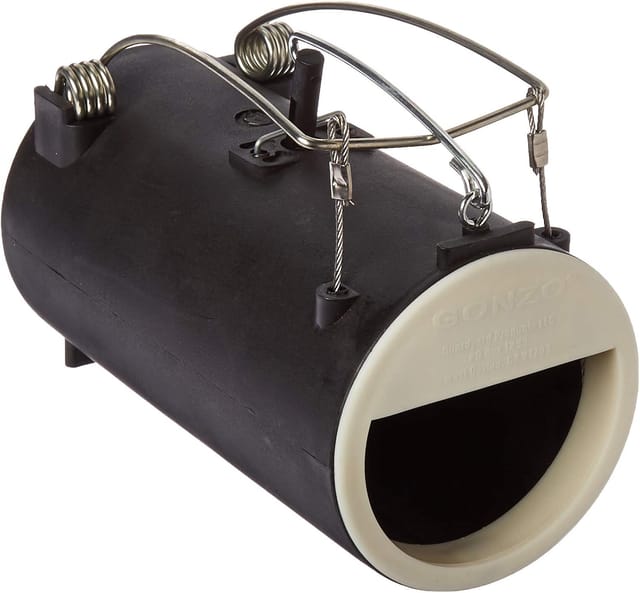
Gopher Box Trap
Effective gopher trap for efficient gopher control. Easy to set and durable for outdoor use.
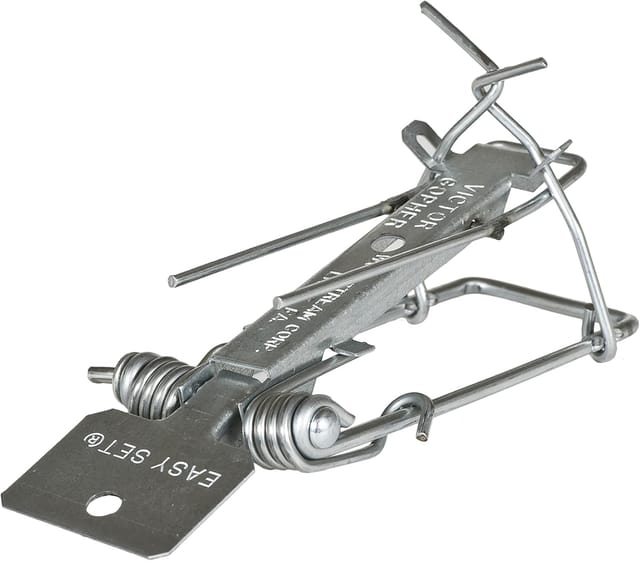
Gopher Pincer Trap
Effective gopher trap for efficient gopher control. Easy to set and durable for outdoor use.
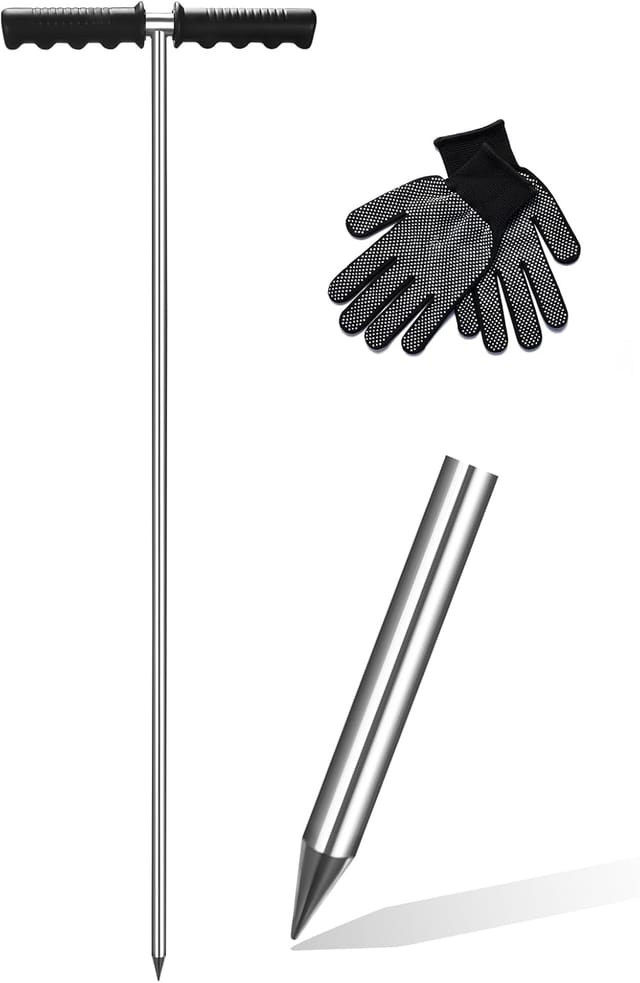
Gopher Probe (Find Tunnels)
Long, slender probe for locating gopher tunnels and burrows. Made of durable metal with a comfortable handle.
When to Trap
Set traps when you see fresh mounds (loose, moist soil, no vegetation). Spring and fall are often best due to moist soils and active gophers, but activity continues year-round in irrigated areas.
1) Find an active site
Locate the freshest mound(s). From the plugged side, probe 8–12 inches out to find the main tunnel 6–12 inches deep (feel for a sudden drop).
2) Open the tunnel
Dig a small access hole down to the tunnel. Clear loose soil so traps can sit flush with the tunnel floor.
3) Set paired traps
Place two traps back‑to‑back facing opposite directions to catch the gopher coming from either side. Stake or tether each trap.
4) Block light & check often
Cover the opening with a board, dirt clod, or tarp to reduce airflow and light. Check traps in 12–24 hours; reset or move if no catch within ~48 hours. Continue until new mounds stop.
5) Dispose & monitor
Wear gloves to remove the animal; refill the access hole. Re‑check the area weekly for new mounds and reset as needed.
Safety: Keep traps away from children and pets. For rodenticides or fumigants, consult a licensed professional and local rules before use.
Related Gear
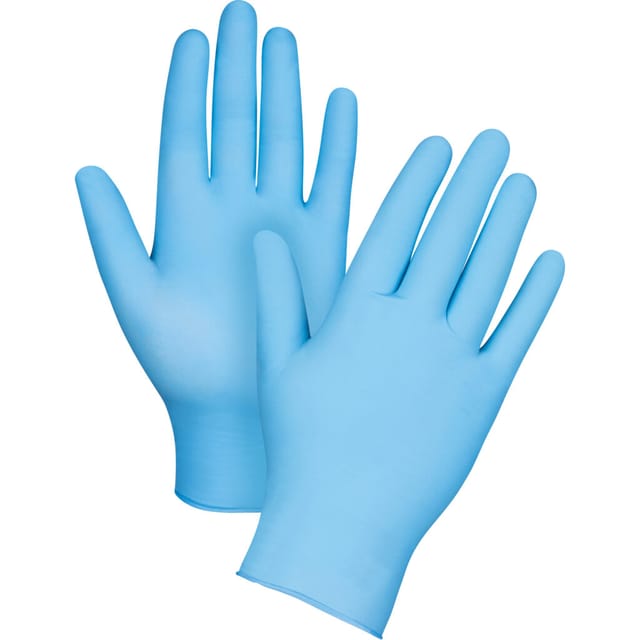
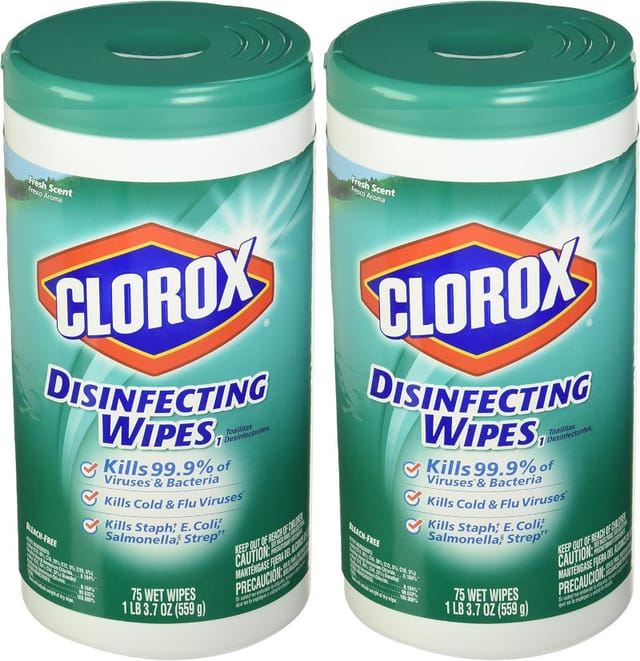
Cleanup Kit (Disinfectant)
Disinfectant wipes for safe cleaning of gopher-related messes.
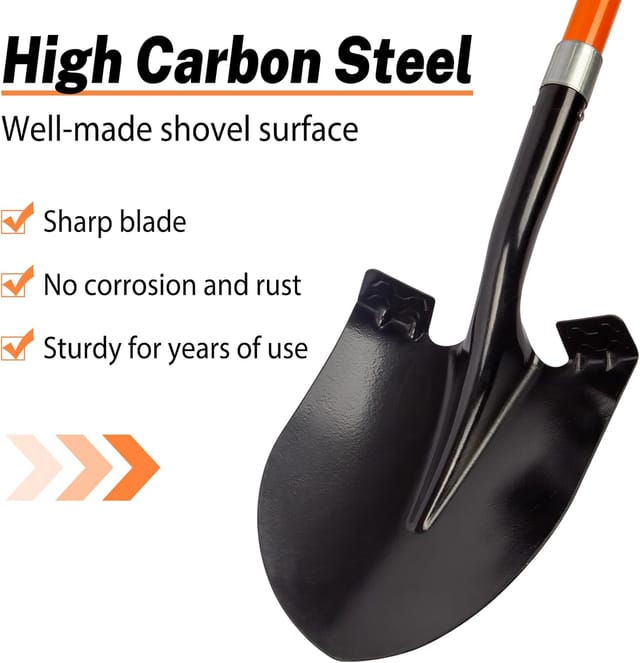
Shovel
Durable garden shovel for digging and soil work. Comfortable handle and sturdy blade.