Guide
Gopher vs. Groundhog (Woodchuck): Visual Identification Guide
Quick, visual differences between gophers and groundhogs: size, tail, teeth, behavior, mounds, and typical damage patterns.
Gophers (pocket gophers) and groundhogs (woodchucks) are both burrowing rodents, but they have distinct differences in appearance, behavior, and the type of damage they cause. This guide provides a quick comparison to help you identify which animal you may be dealing with.
Quick Comparison
| Feature | Gopher | Groundhog (Woodchuck) |
|---|---|---|
| Size | ~5–14 in; 0.5–2 lb | ~16–26 in; 4–14 lb |
| Tail | Thin, mostly hairless | Bushy, squirrel‑like |
| Teeth | Visible yellow incisors even when mouth closed | Teeth usually not visible when mouth closed |
| Lifestyle | Mostly underground; pulls plants into tunnels | Forages above ground; true hibernation in winter |
| Mounds/Burrows | Fan/crescent mounds with an offset plug | Larger burrows, often under sheds/edges |
| Damage | Chews roots/bulbs; many small mounds | Browses foliage; larger holes; fewer mounds |
| Habitat | Gardens, fields, lawns; digs tunnels | Edges of fields, woods, near structures |
| Activity | Active year-round; more active in spring/fall | Active spring–fall; hibernates in winter |
| Common Species | Botta’s pocket gopher, Mazama pocket gopher | Eastern woodchuck, Whistlepig |
| Range | Western U.S., parts of Canada & Mexico | Eastern U.S., parts of Canada |
| Control Methods | Traps, baits, barriers, repellents | Traps, fencing, repellents |
| Legal Considerations | Some species protected; check local laws | Generally not protected; check local laws |
| Recommended Products | Best Gopher Products | N/A (this guide focuses on gophers) |
Visual Clues
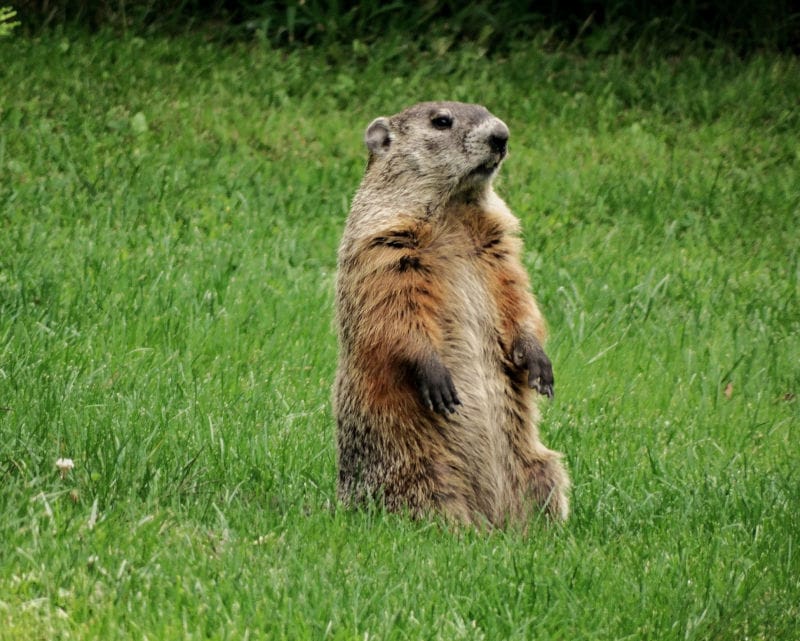
- Size: Gophers are smaller (5–14 inches, 0.5–2 lbs) vs. groundhogs (16–26 inches, 4–14 lbs).
- Tail: Gophers have thin, mostly hairless tails; groundhogs have bushy, squirrel-like tails.
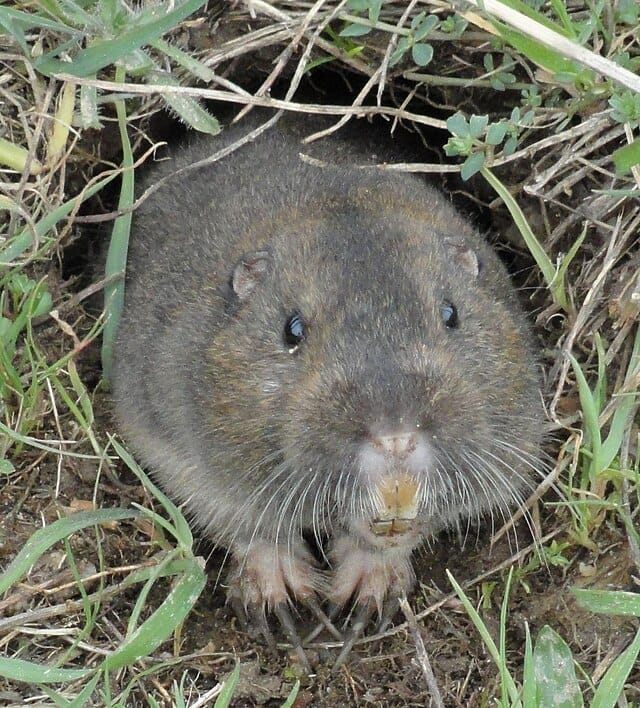
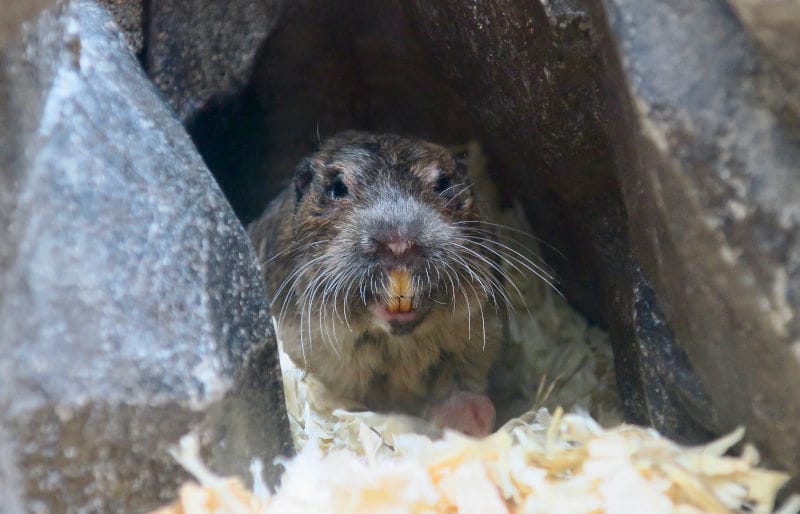
- Teeth: Gophers show visible yellow incisors even when mouth is closed; groundhog teeth are usually not visible.
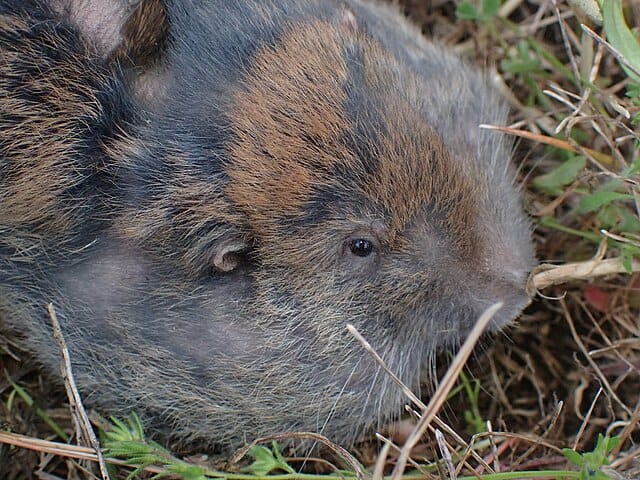
- Fur Color: Gophers are typically brownish or grayish; groundhogs are usually brown or gray with a stockier build.
- Ears & Eyes: Gophers have small ears and eyes adapted for underground life; groundhogs have larger, more prominent ears and eyes.
Behavior & Damage Clues
- Gophers: subterranean; many fan‑shaped mounds; chew roots/bulbs; little above‑ground activity.
- Groundhogs: larger animal seen above ground; burrows near edges; browse foliage; hibernate in colder climates.